Description:
Armand Lanusse and Les Cenelles
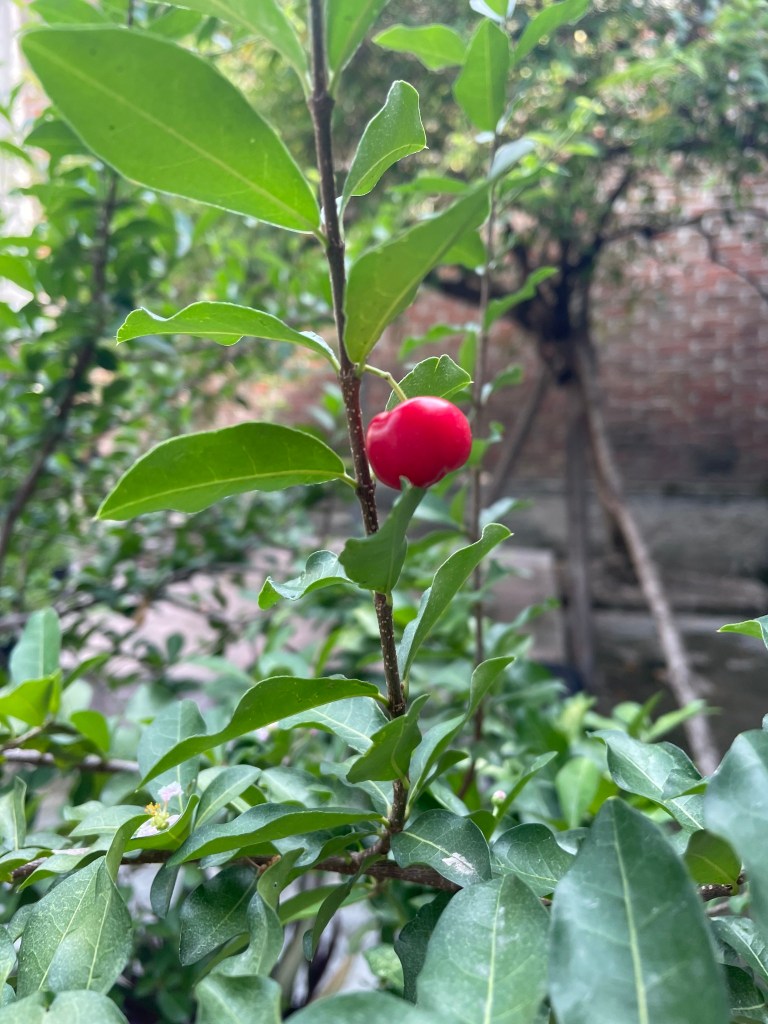
The small mayhaw berries, or Les cenelles in French, is primarily found in the gulf south region. Its trees thrive along the swamps and rivers, growing with little care—bursting with an irresistible tartness. Due to its thorny leaves, its branches are shaken, and its flavor compacted and sugared to more properly grace southern tables in the form of a delicate regional jelly. It is no surprise that 19th century Afro-Creole educator and New Orleanian Armand Lanusse gleaned inspiration in the resistant, native berry and gathered a collection of eighty-four French poems written by seventeen Afro-Creole poets. This anthology of francophone Louisiana literature is Les Cenelles.
Early 19th century New Orleans was abundant with change. St. Domingue emigrés entered the city following the 1791-1804 anti-slavery African rebellion. Sugar plantations in the surrounding areas were under siege as enslaved Africans from a wide diversity of countries and ethnic groups took arms against plantation owners and militia in the 1811 German Coast Uprising and the 1812 Battle of Chalmette in Louisiana. During this time of political and social flux, many free New Orleanian Afro-Creoles established a collective identity forged by creole language, Catholicism, and a resistance to the increasing censorship of the press and restricting social practices and racial identity politics that negated the complexity of their racial, social, political, and religious heritage.For Lanusse, piety, education, and poetry assembled the unique culture of the Afro-Creole in this time period. He was principal of the L’Institute Catholique, a school that taught various subjects to over 200 orphans and less affluent Afro-Creole children. In 1845, Lanusse and seventeen men who were poets and gens de couleurlibres compiled eighty-four works in a collection entitled Les Cenelles: Choix de poésies indigènes. This work articulated the complexity of Afro-Creole identity in antebellum New Orleans in its use of French romanticism in poetic structure and style; a literary departure from slavery narratives and other abolitionist texts. More significantly, the poems were written in French, not English or Creole French.
This act of literary resistance illustrates a distinctive social status of people who sought artistic freedom despite the restrictive laws that prohibited obvert black insurrectionist propaganda and American governmental critique in popular literature. For the poets of Les Cenelles the poetic proof of their existence as Afro-Creoles was part of their resistance. And not dissimilar to mayhaw berries, sometimes the most potent of fruits are forged in crucibles, inhospitable environments where their sweetness is a rare gift.
 Les Cenelles